Uber App Redesign – Improving Trust, Control, and Convenience in Ride-Sharing

Problem: Uber's current experience lacks user control over ride customization and split payment transparency, leading to coordination friction and payment disputes among group riders.

Solution: Introduce split payment workflows, custom ride preferences (AC, music, temperature), and enhanced safety controls into the core booking flow.


Skills: UX Research, User Experience Design, App Redesign


My Role: UX/UI Designer


Tools:
FigmaPhotoshop

Duration: 3 months

Sample project image 1

Problem Statement & Context

The Opportunity

Ride-sharing has become commoditized, but user friction remains in three key areas:

Split payments: Currently requires post-ride manual settlement, causing disputes

Rider preferences: No way to specify ride conditions (empower users to personalize their trip by adjusting preferences such as driver talkativeness, music volume, and comfort settings)

Safety & trust: Limited visibility into driver details and route transparency

Why This Matters

40% of Uber users ride in groups (2+ people)

Payment disputes are the #2 reason for support tickets among group rides

Users want more personalization and control (per competitive analysis of Lyft, Didi)

Trust in ride-sharing is declining in competitive markets

Design Challenge

How might we redesign the booking and ride experience to increase user control, reduce coordination friction, and build trust without adding complexity?

Sample project image 2

Inspdxzcfiration

What inspired this project

As a frequent Uber rider, I often noticed gaps in the current experience. For example, when riding with friends, we usually discussed how much easier it would be if the fare could be split directly in the app instead of manually paying each other back. Similarly, during rides, I found myself wishing for options like adjusting the driver's talkativeness or music volume to make the trip more comfortable.

Another key insight was around ride-sharing updates. Many riders, including myself, would manually message friends or family on WhatsApp to say 'I'm on my way' or share ride details. What if Uber could automatically send a trusted contact a notification stating: 'Phaneendra is riding with Uber from Point A to Point B in car [Model], license plate [XYZ]'

This feature would not only improve safety and peace of mind but also act as subtle surrogate advertising—boosting confidence and engagement among Uber's user base.

Wireframes & User Flow

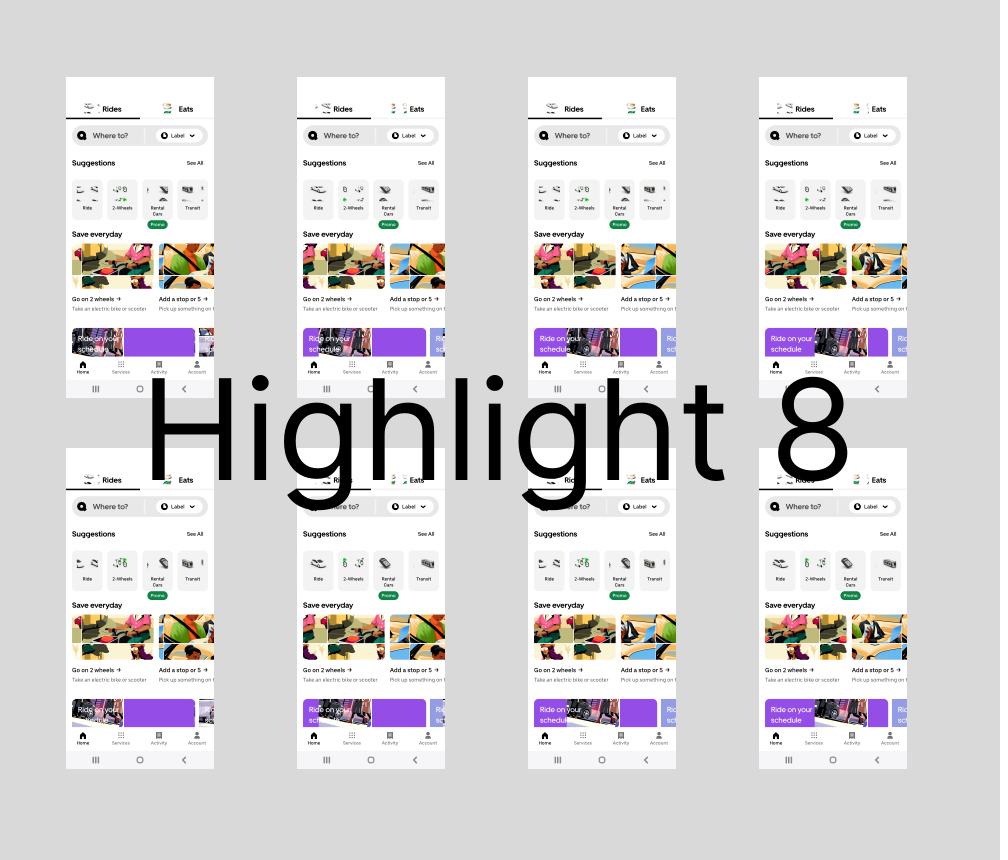
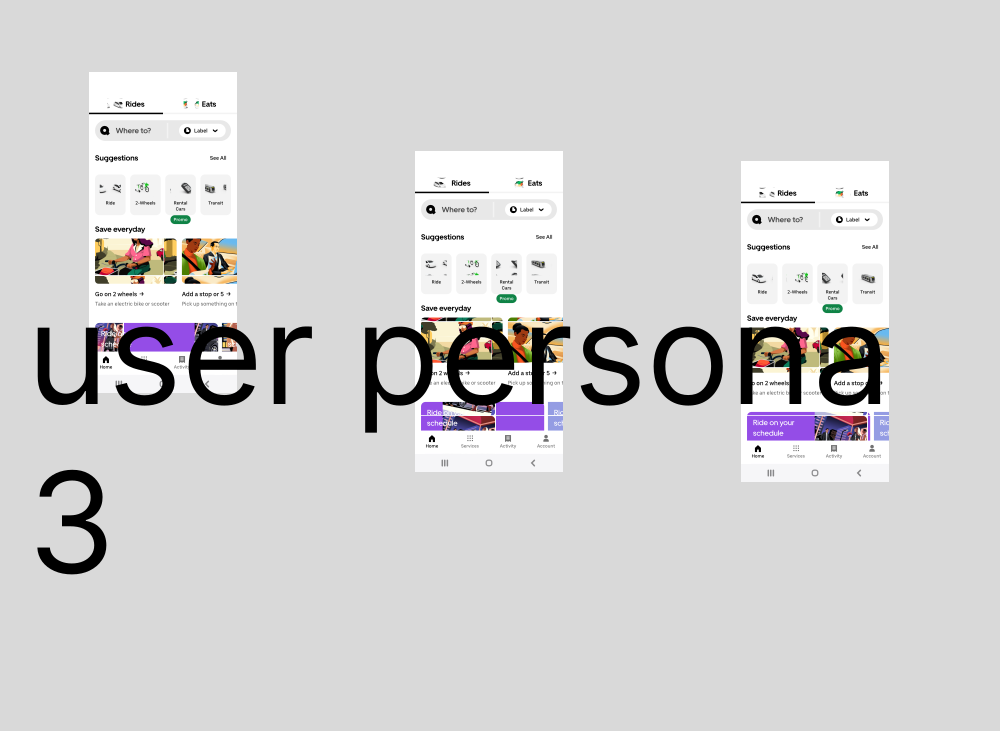
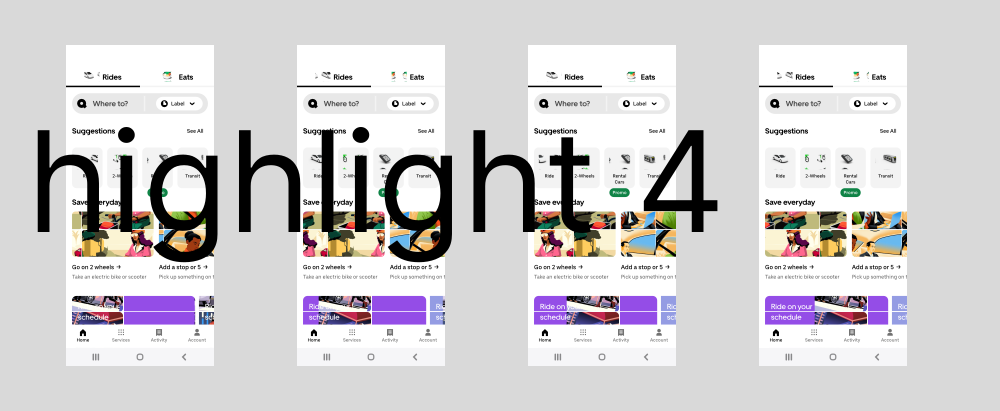
Initial design mockup
0:00 / 0:00
Sample project image 3
Sample project image 4
Sample project image 5
Sample project image 6

Some greatdf learning moments

Working on the Uber enhancements has been a journey of exploration, iteration, and user-focused design. The project grew from addressing simple ride frustrations to tackling a broader set of user needs — from group coordination to personalization and safety. This evolution was guided by direct engagement with riders, whose insights proved invaluable in shaping features that feel intuitive, useful, and empowering.

The philosophy of user-centric design has been at the core of this project. From the start, I invested time in understanding riders' goals, pain points, and everyday behaviors. This empathetic approach not only informed design decisions but made the creative process highly rewarding.

Ultimately, the joy came from crafting experiences that genuinely improve how people ride with Uber — giving them control, comfort, and confidence every step of the way. This project reinforced the power of placing users at the heart of design and showed how small, thoughtful features can create meaningful impact.


Thanks for reading!

but please reach out if you have any feedback or thoughts to share🤍